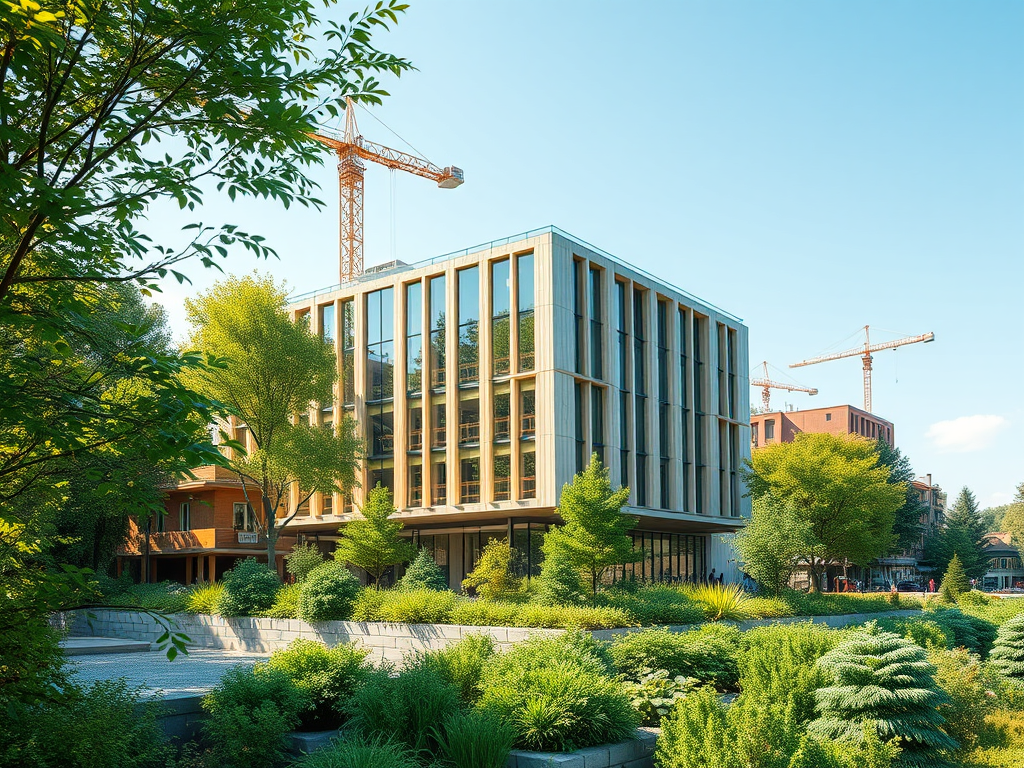
Introduction: The New Landscape of Green Construction in 2025
Green construction is no longer a futuristic concept—it is a necessity. In 2025, the urgency of climate change, rising energy costs, and increasingly stringent building codes are driving the shift toward more sustainable and resilient built environments. For startups and small businesses, this shift represents a dynamic opportunity to innovate and lead in a growing market.
However, the policy landscape is also evolving. Recent tariffs introduced by the Trump administration have added a layer of complexity, especially regarding imported construction materials like timber, steel, aluminum, and certain green tech components. These economic policies impact pricing, sourcing, and supply chains, making it more important than ever for small businesses to be strategic.
This article explores the top 2025 trends in green construction and highlights how startups can respond proactively to both opportunities and challenges—including the new tariff environment.
1. Net-Zero Buildings Becoming the Norm
Trend: Net-zero energy buildings that produce as much energy as they consume are becoming industry standard.
Adaptation: Startups can focus on localized energy modeling and solar integration services to help clients avoid tariff-driven price hikes on imported energy systems. There is also room for innovation in retrofitting existing buildings with domestic products.
2. Mass Timber Construction and Tariff Implications
Trend: Mass timber, especially CLT (cross-laminated timber), is gaining popularity as a low-carbon building material.
Adaptation: The Trump administration’s tariffs on lumber imports affect the cost of foreign timber, making domestic sourcing more attractive. Startups could partner with local mills or develop engineered timber solutions that comply with the latest fire and seismic codes.
3. Modular and Prefabricated Green Buildings
Trend: Off-site construction continues to grow, offering faster builds and less waste.
Adaptation: With tariffs impacting prefabricated imports, there’s an increased opportunity to establish domestic prefab manufacturing hubs. Startups could explore regional production facilities to supply local green projects more affordably.
4. Smart Buildings and Green Tech Integration
Trend: IoT-based systems that optimize energy, water, and air quality are central to sustainable buildings.
Adaptation: Tariffs may affect the cost of imported smart tech components. This creates a niche for companies that develop U.S.-manufactured sensors and automation tools, or that focus on integration platforms using existing domestic hardware.
5. Circular Construction and Material Reuse
Trend: The move toward circular construction includes reusing materials and designing for disassembly.
Adaptation: With material costs rising due to tariffs, reclaimed and recycled building materials become even more attractive. Startups can launch platforms for local material exchanges or offer certified deconstruction services to repurpose valuable components.
6. Low-Carbon Concrete and Sustainable Alternatives
Trend: The construction sector is pushing for low-carbon alternatives to traditional cement and concrete.
Adaptation: Tariffs on raw materials may increase demand for locally developed green concrete. Entrepreneurs can develop regionally optimized formulas using industrial byproducts or bio-based binders to reduce costs and emissions.
7. Green Building Codes and Regulatory Pressures
Trend: Regulations are becoming stricter across North America and Europe, with mandatory benchmarks for energy, water, and material performance.
Adaptation: Startups can offer compliance consulting or SaaS platforms that streamline documentation and help clients achieve certifications like LEED or Passive House, even as tariff-affected costs rise.
8. Resilient, Climate-Adaptive Infrastructure
Trend: Resilient design is a cornerstone of green construction in 2025, focusing on long-term performance in extreme weather.
Adaptation: Startups should focus on innovations that deliver durability without relying on tariff-affected imports. This could include fire-resistant materials, flood-proofing technologies, and modular emergency shelters.
9. Rooftop Greening and Vertical Ecosystems
Trend: Green roofs, urban gardens, and biodiversity features are central to urban development.
Adaptation: Rising import costs for specialized systems open opportunities for locally-sourced, DIY green roof kits and modular urban farming solutions that appeal to municipalities and communities.
10. Workforce Training and Green Skill Development
Trend: There’s a widening gap in green construction skills, especially in new technologies and sustainable practices.
Adaptation: Entrepreneurs can create training academies or digital upskilling platforms tailored to domestic labor needs. Emphasis on “Made in America” techniques aligns with broader national policy shifts.
11. Financing and ESG Incentives
Trend: Green finance tools like sustainability-linked loans and carbon credits are growing.
Adaptation: While tariffs may increase project costs, startups can offset this by tapping into green financing streams or helping clients unlock ESG investments through measurable sustainability performance.
12. Digital Twins and Lifecycle Optimization
Trend: Buildings are increasingly managed using digital twins and lifecycle analytics.
Adaptation: Cloud-based platforms developed with domestic infrastructure and data centers help mitigate import risk and increase trust among U.S.-based contractors.
13. Urban Mining and Deconstruction Services
Trend: Salvaging usable materials from old buildings (urban mining) is becoming a key sustainability strategy.
Adaptation: Tariffs make deconstruction more viable. Startups can scale services that extract, certify, and resell components from demolition sites, particularly in high-density urban areas.
14. Affordable Green Housing Models
Trend: Sustainability is extending into affordable housing with efficient, low-cost designs.
Adaptation: Tariffs could challenge the affordability of green materials, but startups can innovate with compact modular units made from domestically sourced, low-impact materials.
15. Community-Centered Sustainable Design
Trend: Eco-districts, co-housing, and walkable communities are shaping sustainable development.
Adaptation: Local sourcing and community co-design are effective responses to the new cost environment. Startups can offer participatory design services or prefabricated shared infrastructure solutions.
Conclusion: Green Construction in a Tariffed World
The green construction sector in 2025 is filled with opportunity, but also complexity. The Trump administration’s tariffs have undeniably shifted the cost structure and sourcing strategies of many companies. Yet, for startups and small businesses, these changes also offer a silver lining: the chance to localize, innovate, and lead with agility.
From modular housing and smart building tech to green finance and workforce development, there are many avenues to grow sustainably. By aligning with both environmental priorities and domestic sourcing strategies, small businesses can thrive in this green, tariff-adjusted construction economy.
🚀 Ready to Be Seen? List It on Bizzcart — For FREE!
Whether you’re an entrepreneur or a small business —
📣 Bizzcart is the place to share what you do.
✅ Post your listing for FREE — No catch, no hassle.
✅ We promote it for you — Get visibility with an audience actively looking for opportunities abroad.
✅ Reach people who need you — Expand your customer base, identify new partnership opportunities.
👉 Go to https://www.bizzcart.com and post your listing today. Let the world discover what you offer!

Leave a Reply